
Diabetes is a medical condition affecting the endocrine system. It disrupts insulin and glucose production in the body, leading to blood sugar levels above the standard 70–120 mg/dl. In type 1 diabetes, the body doesn’t produce insulin, while in type 2 diabetes, the body doesn’t use insulin as effectively as it should.
A few decades ago, people with diabetes were disqualified from diving, professionally and recreationally. However, around 2005, regulations began to change. Diving and diabetes no longer clash. People who take appropriate care and get medical clearance can take up diving in different forms.
However, hypoglycemia underwater (low blood sugar) is a serious concern for divers. Physical exertion, exposure to cold water, changes in air pressure, and metabolic activity are a few reasons for hypoglycemia, which can lead to faster fatigue, confusion, and loss of consciousness. Nevertheless, with expert medical support, divers with diabetes can overcome this challenge and ensure safe diving.
Medical examination and clearance are compulsory for those who wish to become divers. Both individuals and organizations should be aware of the risks and ways to manage diabetes in divers to prevent complications.
Let’s read more about the risks of diving with diabetes and ways to manage it.
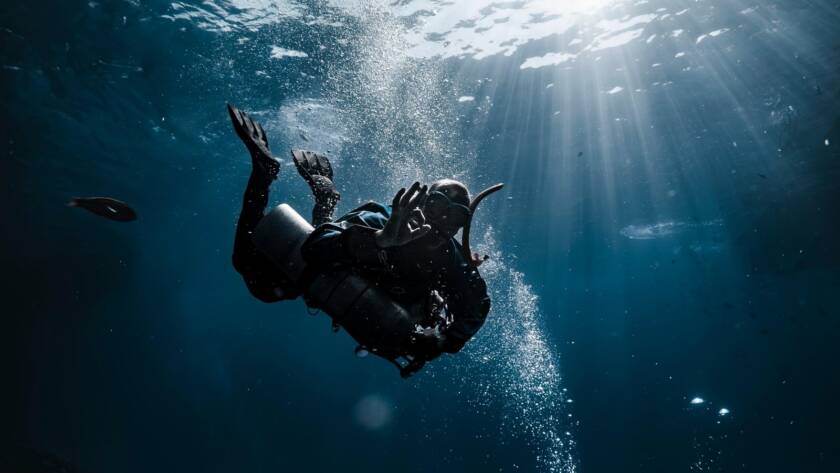
Risks of Diving and Diabetes: Why Diabetes Can Be Dangerous Underwater
Insulin is a hormone secreted by the pancreas that is essential for maintaining normal blood glucose levels. It enables the body to regulate sugar in the bloodstream, ensuring that energy is delivered to cells and preventing harmful elevations in glucose. In diabetes, the body cannot use insulin effectively or fails to produce it sufficiently. Without adequate insulin, blood glucose levels rise, which, if left untreated, can damage the heart, kidneys, eyes, and nervous system.
Because blood sugar levels can fluctuate unpredictably, diving was once considered unsafe for people with diabetes. They were advised against diving even for recreational purposes. However, genetics and changing lifestyles made diabetes a common condition. Statistics show that there will be over 500 million people with diabetes globally by 2030. This led to new regulations, under which diabetics can become divers under strict conditions. For commercial diving, medical clearance from authorized clinics is a must.
The underwater environment is dramatically different from life on land. Changes in air pressure, temperature, and atmosphere place unique stress on the body, influencing breathing, movement, cognition, and blood sugar regulation. These factors make diving particularly risky for individuals with diabetes, especially during prolonged or deep dives.
Typically, the risks of diving with diabetes can be hypoglycemia or hyperglycemia. Both conditions can impair judgment, cause loss of consciousness, and pose life-threatening risks underwater.
Hypoglycemia
Physiological factors can affect the diver’s metabolism and cause fluctuations in blood sugar levels due to peripheral insulin sensitivity. In hypoglycemia underwater, the blood sugar drops to lower levels, causing confusion, fatigue, and eventually loss of consciousness. Since confusion, fatigue, and impaired judgment are also common symptoms of deep diving, distinguishing the cause becomes difficult. The longer it takes to realize the cause, the greater the risk.
People with type 1 diabetes face an increased risk of hypoglycemia. Moreover, delayed hypoglycemia can occur up to 12–15 hours after a dive, highlighting the importance of ongoing glucose monitoring even after surfacing.
Hyperglycemia
Hyperglycemia is an increase in blood sugar levels, another risk faced by diabetics when diving underwater. Its symptoms are confusion, increased heartbeat, sweating, and loss of consciousness. Hyperglycemia may affect both type 1 and type 2 diabetics and can lead to complications with vision and circulation. Like hypoglycemia, delayed effects may appear hours after the dive and have to be monitored.
Long-Term Complications
Diving with diabetes can have long-term health complications, such as the following:
-
Neuropathy:
Damage to peripheral nerves, leading to numbness, pain, or weakness in the extremities.
-
Retinopathy:
Damage to the retina in the eyes from abnormal blood flow, impairing vision.
-
Cardiovascular disease (CVD):
Increased risk of heart attacks, strokes, arrhythmias, and heart failure.
Because of these risks, routine occupational health checkups and medical clearance are essential for divers with diabetes. These safeguards help prevent both immediate and long-term complications, ensuring safety in a profession that demands peak physical and cognitive performance.
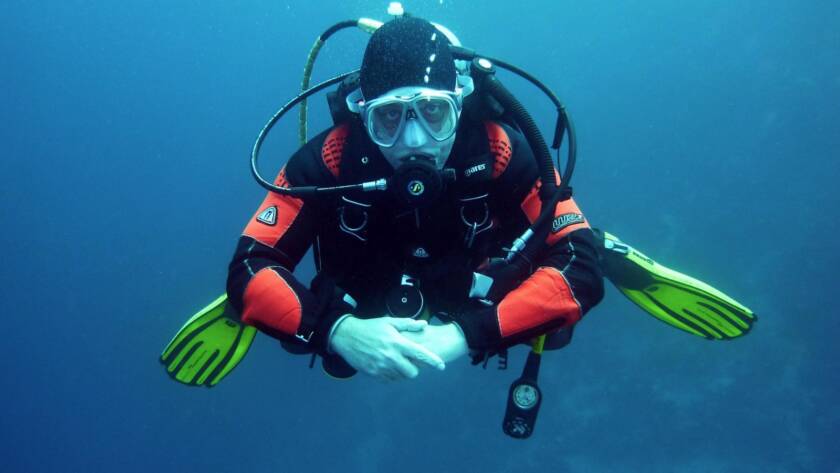
Workplace and Commercial Diving Risks
Organizations in the diving, maritime, dredging, and offshore industries must exercise heightened caution when employing divers with diabetes. Medical fitness certification from accredited offshore clinics is not optional; it is a critical safeguard to ensure both individual and team safety.
Operational Risk
Diving with diabetes introduces operational hazards, particularly when complex equipment is involved. Sudden fluctuations in blood sugar can impair judgment, coordination, and reaction time. In an underwater environment, this can lead to serious accidents, endangering the diver and compromising the integrity of the operation.
Employer Liability
Employers have a clear legal and ethical responsibility. Hiring divers with diabetes without documented medical clearance makes the organizations vulnerable to liability, including potential lawsuits. Thorough background checks and adherence to medical screening protocols are mandatory before deployment.
Impact on Team Safety
Commercial diving is rarely a solo endeavor. In dredging and offshore projects, divers work in close-knit teams where mutual reliance is essential. If a diver experiences hypoglycemia or hyperglycemia underwater, the entire team’s safety is jeopardized. A single medical emergency can escalate into a collective risk, disrupting operations and endangering lives.
Risk Mitigation Through Screening
The most effective risk management strategy is rigorous medical screening. Authorized clinics, such as Medi Sense Clinic, provide specialized evaluations to determine fitness for diving. These assessments ensure that divers with diabetes are medically cleared, reducing the likelihood of acute complications and safeguarding both the individual and the team.
Fitness-to-Dive Medical Assessment
A fitness-to-dive evaluation is a structured medical assessment designed to determine whether a diver with diabetes is physically and metabolically fit to perform occupational diving duties. This evaluation is not a one-time clearance; it is an ongoing process conducted at the time of recruitment and repeated during employment, particularly if the diver experiences complications underwater. While fitness-to-dive testing is standard for all divers, the presence of diabetes makes regular and thorough evaluation indispensable.
Reviewing Medical History
A comprehensive review of the diver’s medical history is essential. Beyond blood sugar and insulin records, the physicians will assess the individual’s overall health profile, including prior complications, comorbidities, and any history of hypoglycemic or hyperglycemic episodes. This holistic approach helps identify risks that may compromise safety underwater.
Cardiovascular Evaluation
Cardiac health is a cornerstone of diving fitness. Physical examination is supplemented with diagnostic tests such as echocardiography and cardiopulmonary exercise testing. These evaluations assess the heart’s ability to withstand the physiological stress of diving, where pressure changes and oxygen demands are significantly altered.
Risk Stratification
Risk stratification is performed to grade divers according to their susceptibility to decompression sickness (DCS). Particular attention is given to the presence of Patent Foramen Ovale (PFO) shunts, which can increase the risk of DCS. Divers with high-grade PFO are considered at elevated risk and may be restricted from certain types of dives.
Certification
Following medical clearance, divers must obtain professional certification from recognized agencies such as the Professional Association of Diving Instructors (PADI). Certification ensures that divers not only meet medical standards but also adhere to industry regulations. Diving with diabetes is permissible only when both medical clearance and certification are in place.
Periodic Medical Assessment
Fitness-to-dive evaluations are not static. Periodic reassessment is mandatory to monitor ongoing health and detect emerging complications. Clinics such as Medi Sense Clinic conduct these evaluations for both recreational and professional divers, ensuring that divers remain fit for duty and minimizing the risk of acute or long-term complications.
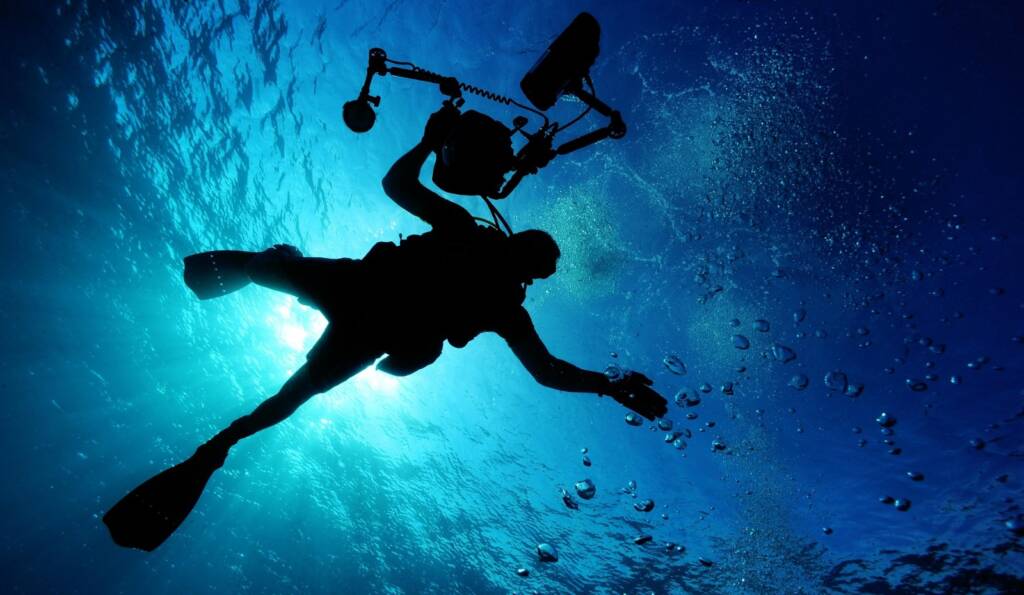
Can People with Diabetes Go Scuba Diving?
Diabetes and scuba diving are not mutually exclusive. People with well-managed diabetes and good health can go scuba diving if they obtain medical clearance and follow the guidelines. This includes a stable insulin regimen (HbA1c: 5.5–8.5%) for at least a year. Taking the necessary precautions is vital for divers’ safety. However, there are restrictions for depth (30 meters) and duration (60 minutes) to prevent hypoglycemia and other complications in diabetic divers.
Diabetics typically face two risks underwater: hypoglycemia (low blood sugar) and hyperglycemia (high blood sugar). Such fluctuations in blood sugar lead to dehydration, fatigue, and an increased heart rate, and loss of consciousness if the diver doesn’t exit the water immediately and receive the necessary treatment.
That’s why medical clearance requirements state that the person should be free of hypoglycemia and other diabetic-related hospitalizations for a year before they are eligible for diving.
Additionally, professional scuba divers should undergo annual fitness evaluations to assess neuropathy, cardiovascular disease, and retinopathy complications associated with diabetes.
Diving and Diabetes: Who Should Avoid Diving?
Not all individuals with diabetes are medically fit to dive. Certain health conditions and risk factors make diving unsafe, even for recreational purposes. Those who fall into the following categories must refrain from diving:
-
Poor physical fitness or lack of regular exercise:
Inadequate stamina increases the risk of complications underwater.
-
Unstable diabetes control:
Frequent fluctuations in insulin or poor management of blood sugar levels make diving hazardous.
-
Recent diagnosis:
Individuals diagnosed with diabetes within the past six months should not dive until their condition is stabilized and well-managed.
-
Secondary complications of diabetes:
Those with heart disease, kidney impairment, neuropathy, or retinopathy are at heightened risk and should avoid diving.
-
History of severe hypo- or hyperglycemia:
Any episode within the past year is a contraindication, as recurrence underwater can be life-threatening.
-
Fixed-dose insulin therapy:
Divers on rigid insulin regimens lack the flexibility needed to adapt to metabolic changes during and after dives.
-
Recent initiation of oral antihyperglycemic agents:
Starting therapy within the last six months indicates unstable management, making diving unsafe.

Medical Guidelines for Diving with Diabetes
While individuals with diabetes may be permitted to dive under medical supervision, strict criteria must be met to ensure safety. The following guidelines should be applied when evaluating fitness-to-dive:
-
Absence of secondary complications:
Divers must not have diabetes-related conditions affecting the heart, kidneys, nerves, or eyes.
-
Good physical fitness:
Regular exercise and adequate stamina are essential to withstand the physical demands of diving.
-
Stable insulin regimen:
The diver should be on a consistent and well-controlled insulin regimen for at least one year.
-
No recent episodes of hypoglycemia or hyperglycemia:
A diver should not have suffered from hypoglycemia or hyperglycemia in the past year.
-
Documented glucose monitoring:
Records should be maintained with blood glucose checks at least four times daily, reflecting disciplined self-management.
-
Nutritional flexibility:
The diver must follow a diet that allows adjustment of carbohydrate intake based on activity and metabolic needs.
-
No recent hospitalizations:
Any hospitalization due to diabetes or related complications indicates instability and disqualifies the individual from diving.
Conclusion
Diving with diabetes is possible, but it requires strict medical oversight. Recreational divers should undergo a formal fitness-to-dive evaluation and obtain diving medical clearance in Dubai, such as through specialized clinics, before engaging in scuba diving or exploring the underwater environment.
Organizations can ensure divers’ safety by partnering with Medi Sense Clinic to conduct periodic, structured diving evaluations and medical assessments to certify divers’ health and provide timely assistance for their well-being.
Written by:
MediSense Clinic Editorial Team
Medically Reviewed by:
Dr. Leonides Soria
General Practitioner | Medical Director
About the Doctor: Dr. Leonides Soria is a DHA Licensed General Practitioner with 25 years of professional medical experience. He earned his Doctor of Medicine degree from a premier Philippine university and has been practicing in Dubai, UAE since 2009, specializing in general medicine and occupational health services. Read more about him here: https://medisenseclinic.com/doctor/dr-leonides-y-soria/
FAQs
1. Can a person with type 1 diabetes scuba dive?
Yes, a person with type 1 diabetes can scuba dive if they clear the medical assessments and follow the diving guidelines. This requires strict management of blood sugar levels over time, as well as regular exercise and a balanced diet.
2. What are the risks of hypoglycemia underwater?
Fatigue, confusion, and loss of consciousness are the major risks of hypoglycemia underwater. It is caused by increased blood flow, which accelerates insulin absorption. This causes the blood sugar levels to crash. Delayed treatment could cause long-term complications like retinopathy and neuropathy.
3. Is insulin use a disqualification for diving?
Insulin use is not a disqualification for diving if the person meets other medical assessment criteria and maintains good overall health without secondary diseases. Consult Medi Sense Clinic to schedule a medical clearance appointment.
4. Do commercial divers need periodic medical clearance?
Yes, commercial divers need periodic medical clearance to ensure their health continues to support underwater diving requirements. Regular evaluations also help identify medical conditions in their early stages.
5. Can employers be liable if a diabetic diver has an incident?
Yes, employers are held liable if diabetic divers have incidents on the job, as such incidents are considered the result of an unsafe work environment and employer negligence. Medi Sense Clinic partners with organizations to evaluate divers’ medical conditions and reduce the risk of diving with diabetes.
6. What tests are included in a diving medical?
A diving medical assessment includes several tests, such as physical examination, analysis of the diver’s medical history, cardiovascular exercises, and diagnostic tests. These help in identifying potential health risks the diver may face underwater.
Sources:
https://pros-blog.padi.com/diving-and-diabetes/
https://alertdiver.eu/en_US/articles/diving-with-diabetes-guidelines-and-latest-research/
https://www.thediabetescouncil.com/guidance-for-diabetes-scuba-diving/
https://www.aqua-med.eu/assets/files/tauchen_mit_diabetes_en.pdf
Last Medically Reviewed on 15th March 2026