
The health concerns we learn to live with, and why recognising them early matters.
Think about someone you work with. They arrive on time, complete their responsibilities, attend meetings, meet deadlines and rarely take sick leave.
From the outside, everything appears normal. They are working. They are managing their responsibilities. They seem perfectly fine.
But perhaps they have been feeling unusually tired for some time. Maybe they have been sleeping poorly, experiencing recurring headaches or noticing that they feel exhausted much earlier in the day.
They put it down to long working hours, stress, age or simply having too much to do. And life continues.
Until one day, during a routine medical assessment or consultation, a finding suggests that something may need further attention. Perhaps it is an elevated blood pressure reading or an abnormal blood glucose result or something else that had not previously caused enough concern to seek medical advice.
This person may have been managing their work perfectly well. But does that necessarily mean he/she was healthy?
Being able to work and being healthy are not always the same
In Occupational Medicine, issuing the Medical Fitness for Work Certificate is an important part of the medical assessment process. But being medically fit for a particular job and being in good overall health are not exactly the same thing.
A fitness-for-work assessment considers an individual’s health in relation to the demands, risks and responsibilities of their work. It helps determine whether they can perform their duties safely, whether any restrictions or adjustments may be required, or whether further evaluation is necessary.
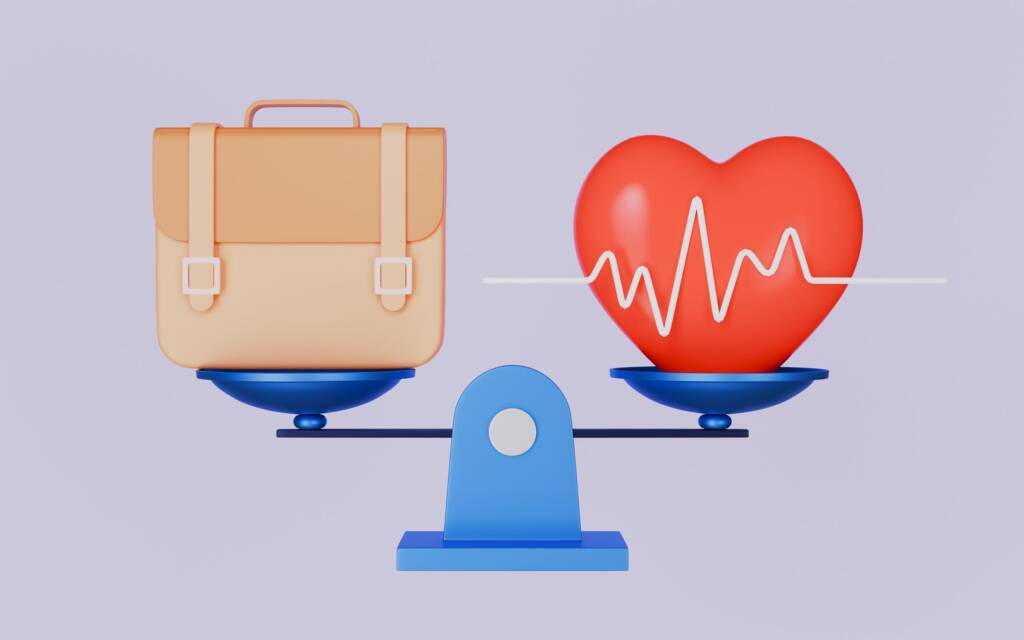
An individual may have a chronic medical condition and still be medically fit to carry out their work. Equally, someone who performs their duties without difficulty may have an underlying health concern that has not yet been recognised.
This is why we should not look at a person’s health only through their ability to continue working.
The health concerns we learn to live with
Many of us become habituated to small changes in how we feel.
We accept tiredness as part of a busy working week. We ignore occasional headaches. We postpone a medical consultation because there is another deadline, another meeting or another responsibility that seems more urgent.

Sometimes these symptoms are temporary and have straightforward explanations. At other times, they may be associated with a medical condition that deserves investigation. And some conditions, such as diabetes, metabolic disorders, anemia, high blood pressure, etc. may develop with few or no noticeable symptoms.
This is where preventive healthcare becomes particularly important.
Recognising health risks early, seeking appropriate medical advice and following recommended screening can help identify concerns before they lead to more serious complications. It is not about expecting everyone to undergo every possible medical test. It is about understanding individual risks and making informed decisions about health.
What November reminds us about?
Every year, 14th November is recognised as World Diabetes Day.
For 2026, the international theme is “Early Action on Diabetes”, highlighting the importance of earlier diagnosis, access to care and reducing the risk of complications.
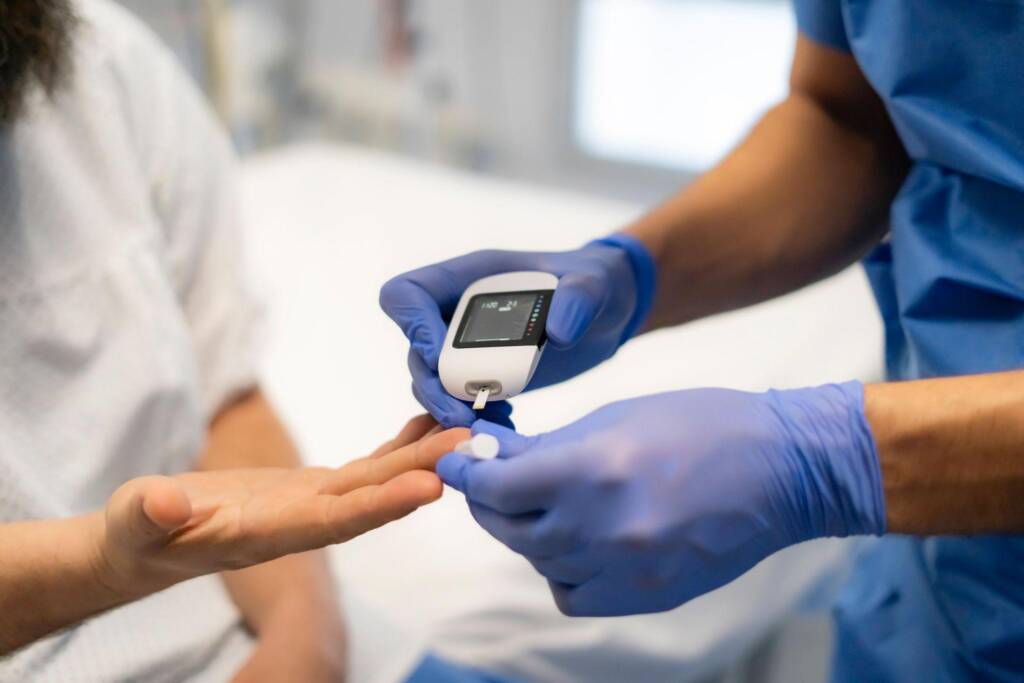
According to the World Health Organization, more than 40% of people living with diabetes worldwide remain undiagnosed. That is a significant reminder that someone can be living with a medical condition without necessarily knowing it. But when symptoms become significant, most of the time the disease is advanced and already affected other organs, systems in the body (complication of uncontrolled diabetes).
Diabetes may sometimes cause symptoms such as increased thirst, frequent urination, unexplained weight loss, tiredness or blurred vision. However, type 2 diabetes can also develop gradually with very few noticeable symptoms.
Early diagnosis and appropriate ongoing care can make a meaningful difference to long-term health.
This message is particularly relevant in the UAE, where national health initiatives continue to emphasise the prevention and early detection of diabetes and other noncommunicable diseases. But the wider lesson goes beyond diabetes.
Not every health concern announces itself clearly. And not every person who appears healthy has had the opportunity to understand their health risks.
What can Occupational Medicine contribute?
Occupational Medicine brings together two important considerations: the health of the individual and the demands of their work.
For example, a medical finding may have different implications for someone working in an office compared with an employee operating heavy machinery, driving commercially or performing safety-critical duties.
The finding itself is only one part of the assessment. The doctor must also consider the individual’s medical history, the nature of the condition, its management, the actual job requirements and any relevant safety risks, the general lifestyle.
This is where clinical judgement becomes important.
A medical condition should not automatically be treated as a reason to prevent someone from working. Where appropriate, further evaluation, treatment, monitoring or workplace adjustments may allow the individual to continue working safely.
At the same time, an occupational medical assessment may provide an opportunity to identify a health concern that deserves attention beyond the immediate fitness-for-work decision. Not every occupational assessment is intended to be a comprehensive health screening. Its scope depends on the purpose of the examination and the risks associated with the job.
But when an unexpected finding is identified, recognising it and arranging appropriate follow-up can be valuable for the individual’s long-term health.
A healthier workplace begins before someone falls ill.
For organisations, supporting employee health should not begin only when someone reports sick. It can begin with a working environment that encourages prevention.
Appropriate occupational health surveillance, where indicated by workplace exposures, can help identify work-related health effects. Risk-based preventive health programmes can support early identification of certain medical conditions.
And practical measures such as managing fatigue, encouraging physical activity, supporting healthier eating, allowing reasonable medical follow-up and making appropriate workplace adjustments can contribute to employee wellbeing.
In UAE, where people work across offices, construction sites, logistics, transport, healthcare, hospitality and many other sectors, the health demands and occupational risks can differ considerably. There is no single medical assessment or wellness programme that suits every workplace.
What matters is understanding the people, the work they perform and the health risks that deserve attention. And importantly, employees should feel comfortable seeking medical advice without fearing that every health concern will automatically affect their employment.
A healthier workplace is not one where nobody has a medical condition. It is one where health concerns can be recognised, managed and supported appropriately.
A thought worth carrying forward
Think again about that colleague who arrives every morning, completes their work and never seems to take a day off. We may admire their commitment. We may consider them reliable. We may even assume they are perfectly healthy.
But perhaps there is another question worth asking.
Not simply whether someone is able to work today. But whether we are giving enough attention to the health that will allow them to continue living and working well tomorrow.
At Medi Sense Clinic, our work in Occupational Medicine and Preventive Healthcare continues to remind us that medical fitness and overall wellbeing are connected, but they are not always the same.
And sometimes, recognising that difference is where prevention begins. Because being able to work is important. But being healthy enough to enjoy life beyond work matters just as much.
Committed to Keeping Your Business Healthy!
Explore More from Medi Sense Health Talks
This article is part of Medi Sense Clinic – Health Talks, where we share practical insights on Occupational Medicine, Preventive Healthcare and Workplace Wellbeing. Explore our articles and educational resources.
Medi Sense Clinic — Dubai
Speak to Our Occupational Medicine Team
To arrange an occupational medical assessment, a preventive health screening or a workplace health programme for your organisation, please contact Medi Sense Clinic.
Medical Disclaimer
This article is intended for general health awareness and educational purposes only. The workplace situation described is illustrative and does not represent an actual patient or employee. It does not constitute medical advice, diagnosis, treatment or an individual fitness-for-work assessment. Medical screening, investigations and occupational fitness decisions should be based on individual circumstances, clinical evaluation and applicable professional guidance. Please consult a qualified healthcare professional for advice appropriate to your circumstances.
References
- World Health Organization – World Diabetes Day 2026: Early Action on Diabetes – https://www.who.int/campaigns/world-diabetes-day/2026
- World Health Organization – Diabetes Fact Sheet – https://www.who.int/news-room/fact-sheets/detail/diabetes
- World Health Organization – Occupational Health – https://www.who.int/health-topics/occupational-health
- UAE Ministry of Health and Prevention – World Diabetes Day 2026 – https://mohap.gov.ae/en/w/world-diabetes-day
- International Diabetes Federation – World Diabetes Day 2026–2027: Early Action on Diabetes – https://idf.org/news-and-resources/news/wdd-2026-27/