

Ophthalmology
The Ophthalmology Department is dedicated to the comprehensive evaluation, diagnosis, treatment, and prevention of disorders affecting the eyes and visual system. It provides care for patients of all ages, ranging from routine vision assessments to the management of complex ocular diseases.
Scope of Services
The department commonly offers:
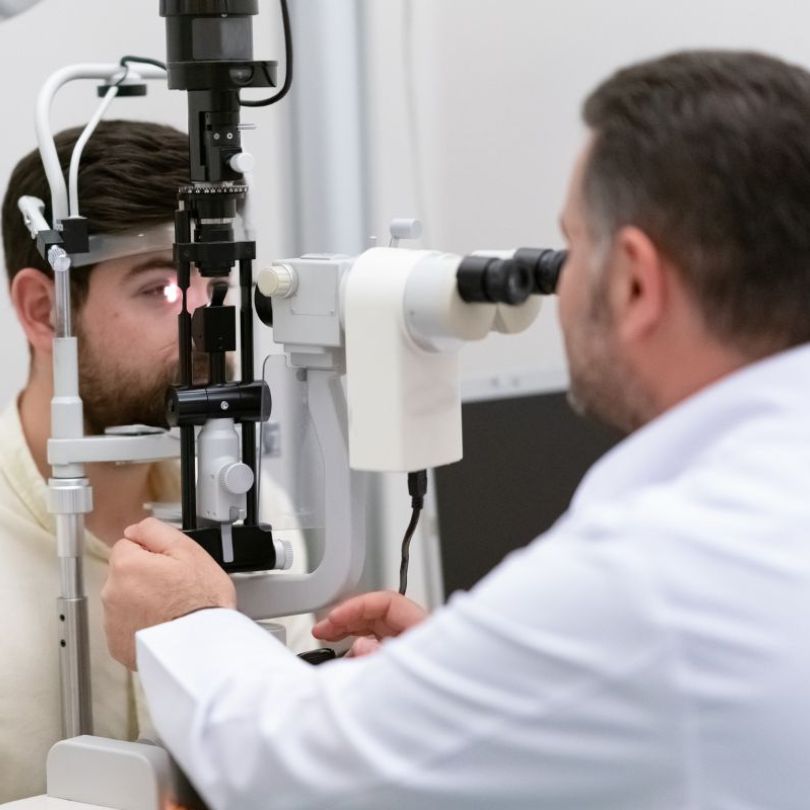
- Comprehensive eye examinations – Including visual acuity testing, refraction, intraocular pressure measurement, slit-lamp examination, and retinal evaluation.
- Diagnosis and management of eye diseases – Such as glaucoma, cataracts, macular degeneration, diabetic retinopathy, dry eye syndrome, and conjunctivitis and other ocular infections.
- Minor surgical procedures – Including foreign body removal, chalazion incision and curettage.
- Pediatric ophthalmology services – Screening and management of amblyopia and refractive errors in children.
Facilities and Equipment
A modern ophthalmology department is equipped with specialized diagnostic and therapeutic tools, including:
- Slit lamp biomicroscopes
- Autorefractors and phoropters
- Tonometers
These technologies enable accurate diagnosis and monitoring of ocular conditions. Emphasis is placed on maintaining up-to-date equipment, ensuring calibration accuracy, and adhering to infection prevention protocols.
Patient Education and Preventive Care
Preventive ophthalmic care is a cornerstone of the department’s services. Patients are educated about eye health, UV protection, screen-time management, proper contact lens hygiene, and early warning signs of vision-threatening conditions. Regular screening programs, especially for high-risk groups such as individuals with diabetes or a family history of glaucoma, are encouraged to facilitate early detection and intervention.
Occupational Health Perspective
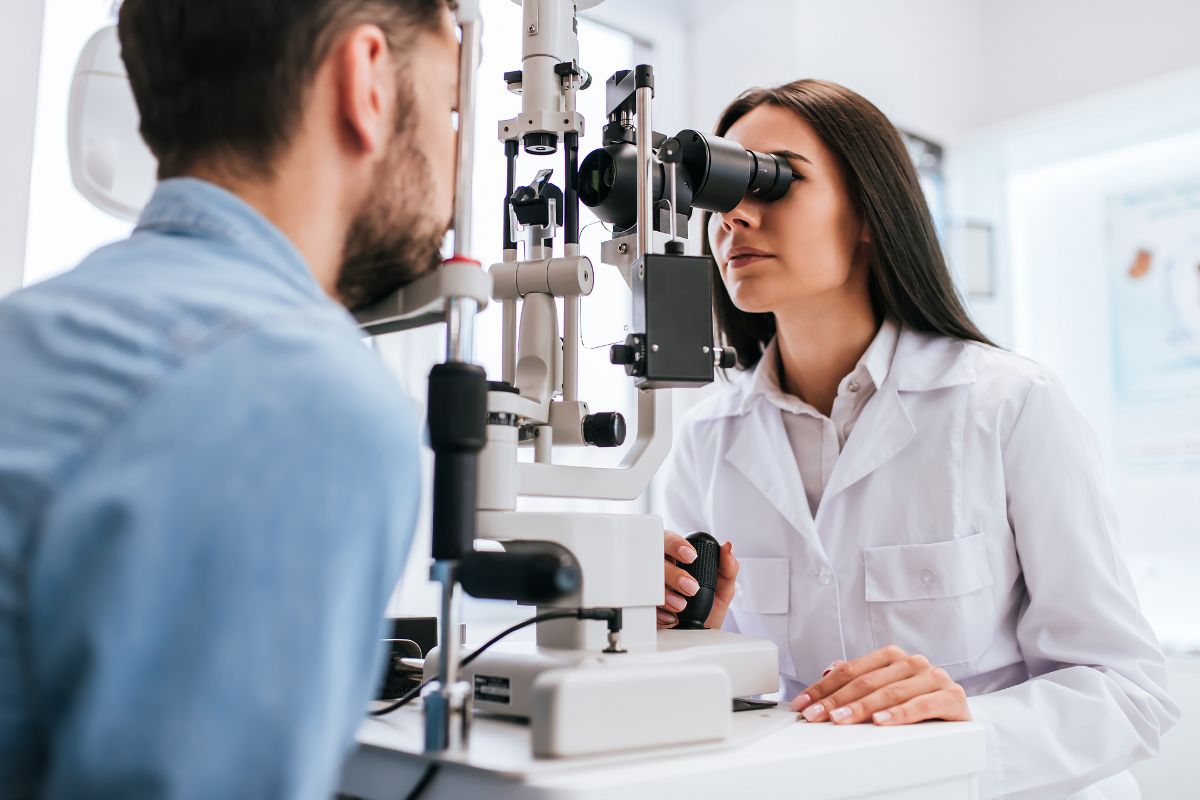
From an occupational health standpoint, the Ophthalmology Department plays a critical role in promoting visual fitness for work. Many occupations such as: drivers, machine operators, healthcare workers, laboratory personnel, and office-based employees, require optimal visual acuity and ocular coordination. Pre-employment and periodic vision screenings help ensure that workers meet the visual standards required for safe and effective job performance.
The department also contributes to workplace injury prevention and management. It provides assessment and treatment for occupational eye injuries, including foreign bodies, chemical exposures, radiation-related injuries (e.g., welding arc exposure), and digital eye strain associated with prolonged screen use. Collaboration with occupational health professionals supports workplace risk assessments, ergonomic recommendations, protective eyewear programs, and return-to-work evaluations. Through preventive screening, early treatment, and education, the department helps reduce absenteeism, improve productivity, and enhance overall workplace safety.