When organisations arrange pre-employment medicals, periodic health assessments or other occupational health services, one of the first questions often asked is:
“Can we do this at a lower cost?”
It is a perfectly understandable question. Every organisation needs to manage its budgets responsibly.
However, when it comes to Occupational Medicine, selecting a provider based solely on price can sometimes mean overlooking the real purpose of these medical assessments.
Occupational medical assessments are not simply routine health check-ups. They are specialised evaluations that consider both an individual’s health and the risks associated with the work they perform.
Understanding this difference is essential.
Why Is Occupational Medicine Different from General Medicine?

A General Practitioner focuses on diagnosing and treating illnesses affecting an individual’s overall health.
An Occupational Medicine Specialist looks beyond the illness itself.
They assess how an individual’s health may interact with the specific demands of their job, workplace exposures, and working environment, while also considering the previous medical history, family history, relevant lifestyle and emotional health factors and actual clinical and paraclinical findings.
This may include considerations such as:
- Working at height
- Driving responsibilities
- Offshore work
- Exposure to chemicals, dust, or noise
- Manual handling activities
- Heat stress
- Shift work
- Psychological demands of the role
Every occupation carries different health risks, and occupational health assessments help ensure that an individual’s health is appropriately considered in relation to the specific requirements and hazards of their work.
Understanding these risks requires specialist training and experience in Occupational Medicine. It is this expertise that enables occupational health professionals to make informed recommendations that protect both employees and employers.
Pre-employment Medicals Are More Than a Fitness Certificate
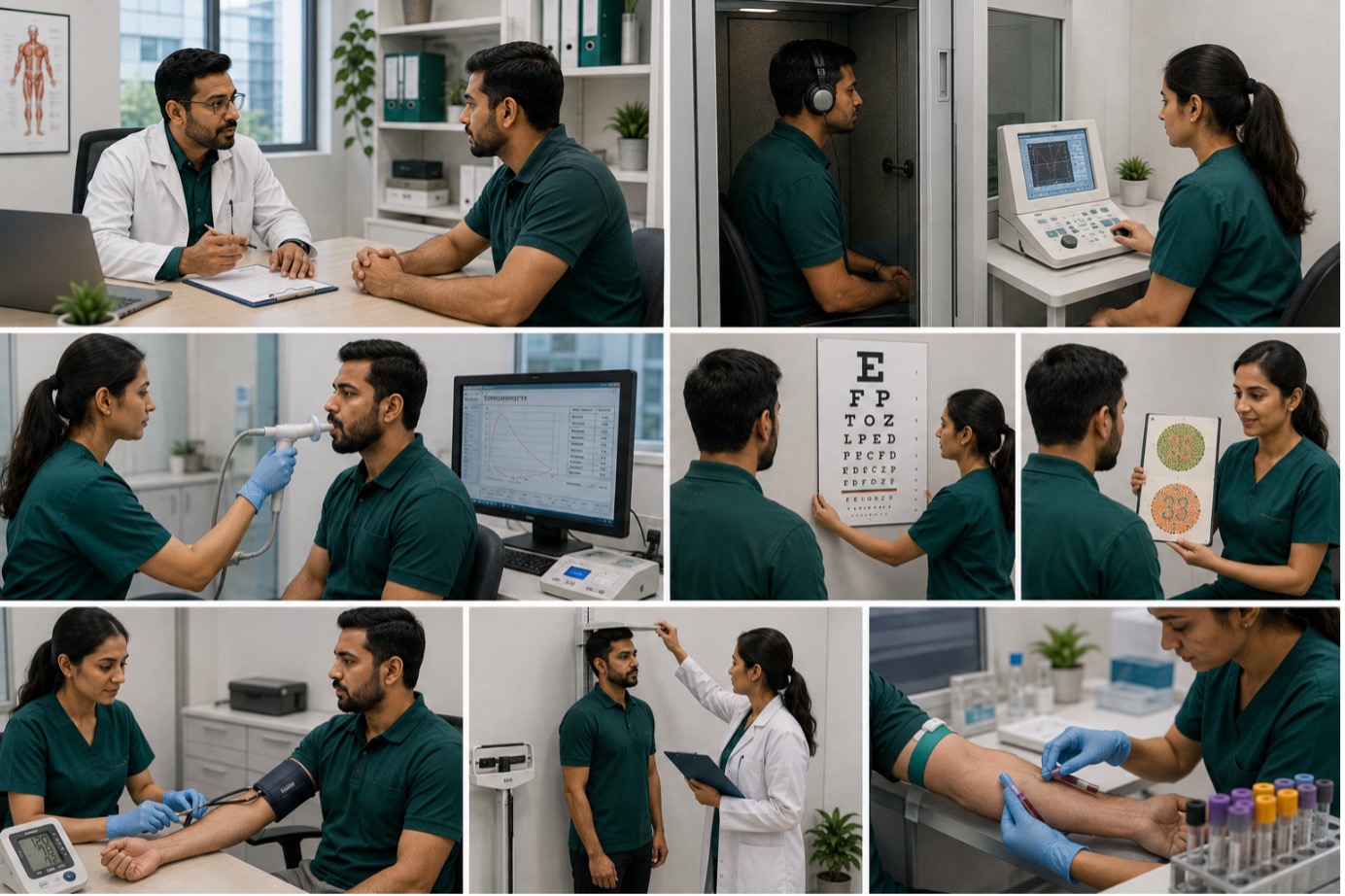
Many people believe that a pre-employment medical simply determines whether someone is “fit” or “unfit.”
In reality, its purpose is much broader.
A properly conducted pre-employment assessment provides the employee with an understanding of their current health status while giving the employer confidence that the individual can safely perform the duties of the role.
Where appropriate, the assessment may also identify:
- Pre-existing medical conditions that could interfere with performance of job
- Requirements for workplace adjustments
- Recommendations for additional investigations and regular monitoring for maintaining the health to a specific favourable standard
- Lifestyle advice
- Vaccination requirements
The objective is not to prevent employment.
Instead, it is to help individuals begin their employment safely and successfully.
Periodic Medicals Help Detect Problems Before They Become Serious
Health changes over time. Workplace exposures may also change, and lifestyle habits can evolve throughout an individual’s career.
Periodic medical examinations help identify these changes before they develop into more serious health concerns.
An experienced Occupational Team evaluates both workplace exposures and personal health factors to understand how they may influence an individual’s fitness for work.
For example, conditions such as diabetes, hypertension, obesity or poor sleep may increase the risks associated with certain occupations.
Likewise, workplace exposures may contribute to hearing loss, respiratory disease, musculoskeletal disorders or other occupational illnesses if they are not monitored appropriately.
Early intervention allows employees to receive timely advice, treatment or workplace adjustments before problems begin affecting their health, safety or work performance.
Exit Medicals Complete the Health Journey
Exit medical examinations are often overlooked, yet they remain an important component of Occupational Health.
They provide a documented record of an employee’s health at the time they leave employment, particularly where occupational exposures have existed.
For employees, this provides an important reference for their future health.
For employers, it demonstrates responsible occupational health management and appropriate health surveillance throughout employment.
Occupational Health Is a Shared Responsibility
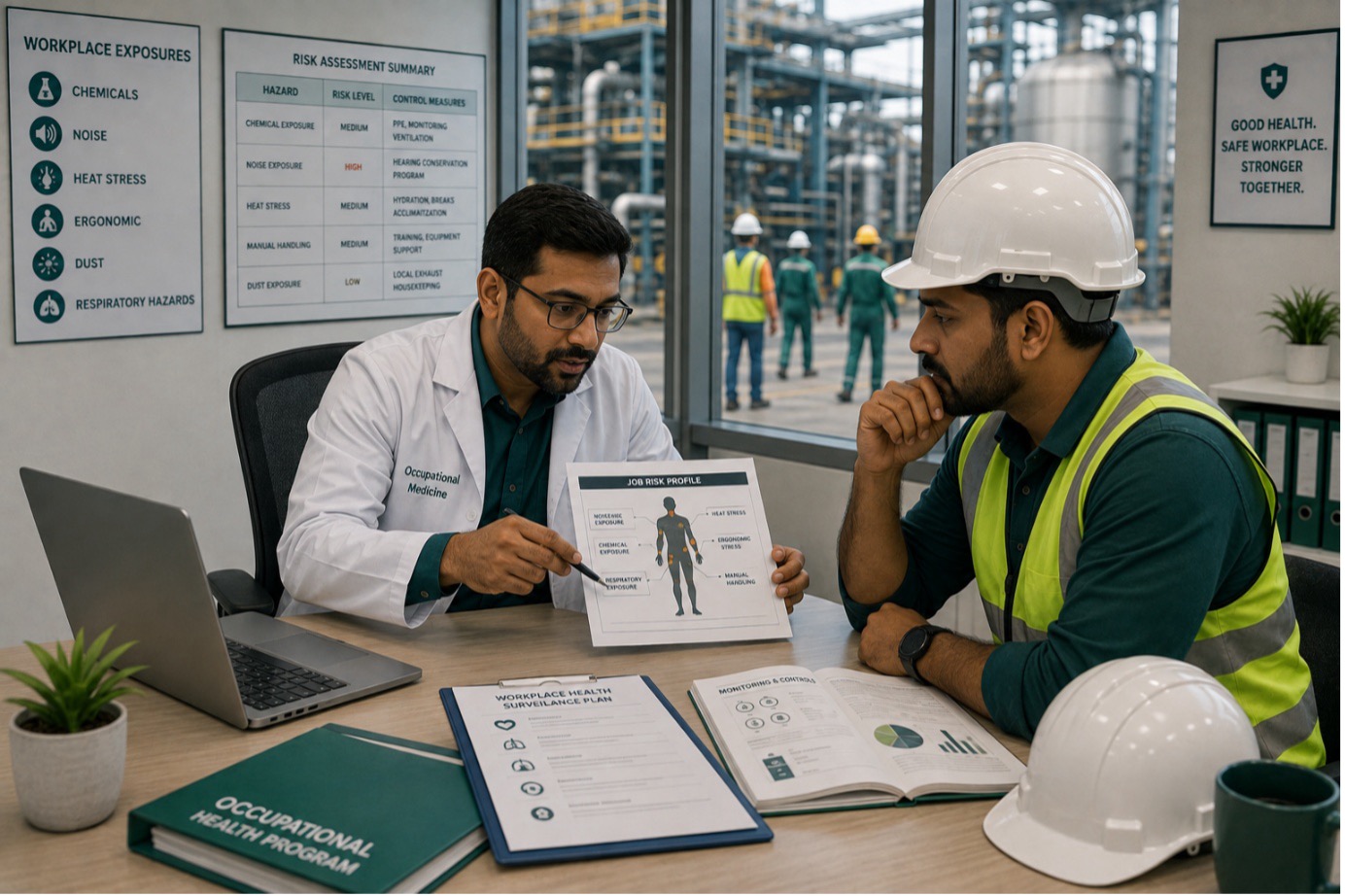
A successful Occupational Health Programme cannot rely solely on the employer.
Employers are responsible for providing a safe workplace, suitable health surveillance and appropriate medical assessments.
Employees also have an important responsibility.
- Attending scheduled medical examinations.
- Following medical advice.
- Maintaining a healthy lifestyle.
- Reporting health concerns early.
- Using personal protective equipment correctly.
When both employers and employees actively participate, healthier workplaces become possible.
Compliance Alone Doesn’t Prevent Illness

Meeting regulatory requirements is important, but Occupational Medicine should never be viewed as a simple compliance exercise.
The real value lies in identifying potential health risks before they lead to illness, injury or reduced work performance. When Occupational Health is approached proactively rather than reactively, organisations are better equipped to protect their people while reducing long-term operational and healthcare costs.
Experience Matters
Choosing an appropriate and experienced occupational health provider should never be based solely on cost.
The true value lies in clinical expertise, understanding workplace risks and making informed medical decisions that protect both employees and organisations.
Investing in experienced occupational medical services is not simply a medical decision.
It is an investment in workplace safety, employee wellbeing and long-term organisational success.
About Medi Sense Clinic
At Medi Sense Clinic, we believe Occupational Medicine extends far beyond completing medical forms or issuing fitness certificates.
Our approach focuses on understanding the relationship between health, personal life, work responsibilities and requirements and workplace risks, helping organisations build healthier, safer and more productive workplaces while supporting individuals throughout every stage of their employment.
To learn more about how our Occupational Medicine services can support your organisation and workforce, connect with our team.
About the Author
Rajeev Nair, Co-Founder & Executive Director
Rajeev Nair is the Co-Founder and Executive Director of Medi Sense Clinic, with over 20 years of experience in healthcare operations, Occupational Medicine and preventive healthcare. Throughout his career, he has worked closely with organisations across diverse industries, supporting the development of occupational health programmes, medical fitness strategies, workplace wellbeing initiatives and regulatory compliance.
Having spent much of his career in Occupational Medicine, Rajeev is passionate about helping organisations move beyond compliance and adopt a more proactive approach to protecting workforce health. His interests include occupational health risk management, preventive healthcare, corporate wellness and developing practical healthcare solutions that improve workplace safety, employee wellbeing and organisational performance.
Learn more about Rajeev Nair and Occupational Medicine services at Medi Sense Clinic.
Medical Disclaimer:
This article is intended for general informational purposes only and does not constitute medical or occupational health advice. It is not a substitute for professional consultation, diagnosis or treatment. For specific concerns regarding workplace health programmes or employee assessments, please consult a qualified Occupational Medicine professional or contact Medi Sense Clinic directly.